Does India really need another stockbroker?
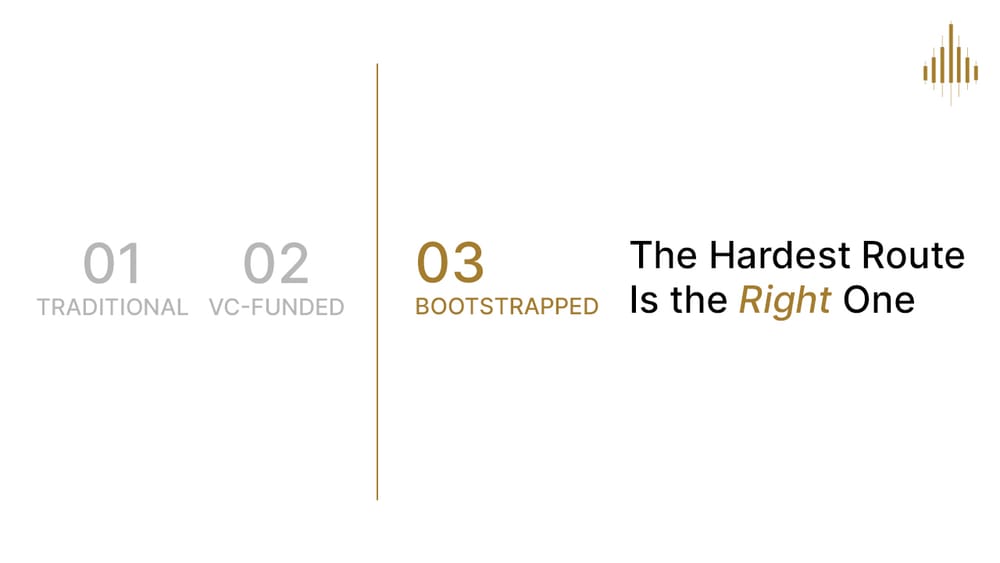
Before I answer that, a little industry background. Most brokers in India fall into one of three categories:
- Traditional: Providing Relationship Managers (RMs), research reports, advisory services and a variety of financial products ranging from insurance to unlisted shares to clients. Many of these brokers use outdated technology, relying instead on personal relations and recommendations to drive business. Naturally, all this infrastructure results in a high cost base, which means that their brokerage charges typically start at 0.3% of trade value. In addition, I’ve seen brokers have sales targets for their teams, with one industry leader even mandating that 2% of client assets need to translate into revenue each year. As has been well established by now, more trading is good for the broker, not so much for the client.
- PE/VC funded new age: Armed with private equity and venture capital money, these brokers have built advanced trading platforms that allow anyone to access the markets at a very low cost, even as low as Rs. 5 per order in some cases. Their investors want to exit at a significant multiple to capital invested, which means they need to chase growth. These players have spent huge amounts on marketing to acquire the maximum number of users in a short time frame. The challenge then arises of how to monetise them, which results in various forms of dark patterns or trade inducements such as ‘top gaining or losing stocks lists’ or notifications about the latest market news, onboarding sub brokers or other intermediaries with huge incentives and then cutting them out once their client base has gotten used to trading directly on the platforms.
- Bootstrapped new age: This is the hardest route to take. Other than the capital requirements to start, it involves providing the best possible user experience while resisting the temptation to monetise your user base in any way. In short, letting them trade as much or as little as they want to, while keeping costs as low as possible. The challenge is that no investor will want to fund you, as your growth will be slow and steady and not exponential. In the long term, however, you can build a sustainable, business while not doing anything to harm your clients interests, which should result in a winning combination. If you have patient capital at your disposal, this is the natural route to take.
Needless to say, we’ve opted to be part of the third category. We realized that building a competitive edge in this industry, and especially in the segment we’ve chosen isn’t about having more features, or lower pricing, or flashier marketing. Providing the best possible user experience means being slightly better than the others at a hundred different things. We’ve built our entire tech stack in house, including our backend, something that, to our knowledge, only one other player has done so far. This has allowed us to offer industry leading order latency of 60ms from launch (including 40ms for internet latency), and we’re only getting faster. We’ve stress tested our systems for order volume of upto 100X of the most we’ve seen our clients trade at a time, so we’re pretty confident about executing your orders quicker than you can place them.
We also turn client feedback and requests into features much quicker, with no need to follow up with vendors for integration. Our tech team is hard at work improving our systems with new updates pushed weekly!
Our small size also allows us to offer personalized customer support, without the associated costs. Our systems are built to be used without needing support, but when you do, we’re here for you.
Unlike other industries which end up being oligopolies, broking has space for players of all sorts to do well. While we can’t promise that we will be an industry leader in size in the next five years, we can definitely promise that we will continue to do what’s best for our clients no matter the impact on our business, and offer a top notch user experience as a result. I’ve found that when that is done, the rest of the business outcomes take care of itself.


